
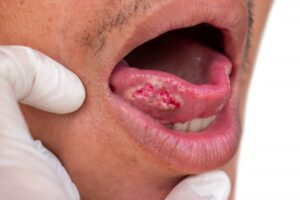
Oral cancer is a serious disease that affects thousands of people each year, but it often goes unnoticed until it has reached an advanced stage. The good news is that early detection can significantly improve treatment outcomes. That’s one reason regular dental checkups are so important; your dentist isn’t just looking for cavities and gum disease. They’re also screening for signs of oral cancer.
Here are 4 important facts everyone should know about oral cancer.
1. Anyone Can Develop Oral Cancer
While certain lifestyle habits increase the risk of oral cancer, the disease can affect people of all ages and backgrounds. Tobacco use, heavy alcohol consumption, prolonged sun exposure to the lips, and infection with certain strains of the human papillomavirus (HPV) are among the most common risk factors.
However, some people diagnosed with oral cancer have no obvious risk factors at all. That’s why everyone—not just those considered high-risk—should receive routine oral cancer screenings during their dental visits.
2. Early Symptoms Can Be Easy to Miss
One of the biggest challenges with oral cancer is that its early signs are often painless and subtle. Symptoms may include:
- A sore that doesn’t heal within two weeks.
- Red or white patches inside the mouth.
- A persistent lump or thickened area.
- Difficulty chewing or swallowing.
- Chronic sore throat or hoarseness.
- Numbness in the mouth or lips.
- Loose teeth without an obvious cause.
Because these symptoms can resemble less serious conditions, many people delay seeking treatment. If you notice any unusual changes in your mouth that persist for more than two weeks, schedule an evaluation with your dentist or physician as soon as possible.
3. Your Dentist Plays a Key Role in Early Detection
Many patients are surprised to learn that routine dental exams include an oral cancer screening. During this quick, painless evaluation, your dentist examines your lips, tongue, cheeks, gums, palate, floor of the mouth, and throat for suspicious sores, lumps, discoloration, or other abnormalities.
If something unusual is found, your dentist may recommend monitoring the area, performing additional testing, or referring you to a specialist for further evaluation. Detecting oral cancer in its earliest stages often allows for less extensive treatment and greatly improves the chances of a successful recovery.
4. Prevention Starts with Healthy Habits
Although not every case of oral cancer can be prevented, you can lower your risk by making healthy lifestyle choices. Avoiding tobacco products, limiting alcohol consumption, protecting your lips with sunscreen when outdoors, maintaining good oral hygiene, and eating a balanced diet rich in fruits and vegetables all contribute to better oral and overall health.
If you’re eligible, vaccination against HPV may also reduce the risk of cancers associated with certain strains of the virus. Additionally, keeping up with regular dental checkups ensures that any concerning changes can be identified as early as possible.
Oral cancer is a condition that is often most treatable when caught early, making routine dental visits an important part of protecting your health. By understanding the risk factors, recognizing potential warning signs, and maintaining regular dental appointments, you can take an active role in early detection and prevention. If it’s been more than six months since your last dental exam, now is an excellent time to schedule a visit.
About the Author
Dr. Atluri earned her first dental degree in India before moving to the U.S., where she attended the New York University College of Dentistry and earned her Doctor of Dental Surgery degree. Throughout her career, she has taken numerous continuing education courses to keep up with the latest advancements in the dental field, studying topics like root canal treatment, dental implant restoration, and Invisalign. Is it time for one of your annual visits to the dentist for preventive care? If so, book an appointment online or call our Arlington office at (682) 452-1150.